Available 24/7 312-535-4625

-

- Home
- About Us
- Attorneys
- Practice Areas
- Nursing Home Abuse and Neglect
- Wrongful Death
- Bed Sores
- Sepsis
- Infection
- Falls
- Fractures
- Life-Threatening Injuries
- Wandering and Elopement
- Physical Abuse
- Choking
- Burns
- Sexual Abuse
- Malnutrition
- Dehydration
- Medication Errors
- Breathing Tube Injuries
- Unreasonable Restraint
- Lack of Medical Care
- Inadequate Staffing
- Elder Abuse
- Alzheimer’s and Dementia Patients
- Nursing Home Care Act
- Assisted Living Lawsuits
- Rehabilitation Facility Lawsuits
- Nursing Home Abuse and Neglect
- Our Victories
- Info Center
- Blog
- Contact
Three Examples of Life-Threatening Nursing Home Injuries
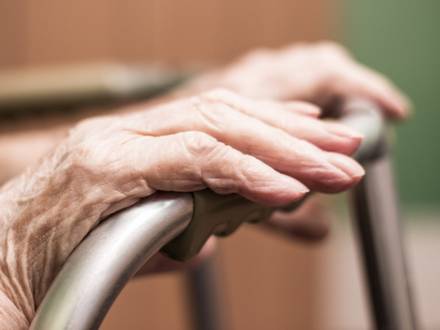 No family sends their loved one to a nursing home facility with the expectation that he or she will experience a life-threatening injury while living there. However, such incidents do tragically occur more often than many people would like to think. Three examples of life-threatening injuries that can take place in a nursing home include choking, infections, and falls. If your loved one has suffered from any of these or was injured in another way at his or her nursing home, contact a lawyer right away.
At Schwartz Injury Law, our Madison County, IL nursing home injury lawyers have the requisite experience and skills to help you file a claim. We have secured millions in payment for injured nursing home residents, with cases including choking accidents, pressure wounds, and more.
Can You Sue a Nursing Home for Causing Injury in 2026?
Illinois law requires nursing homes to provide proper care, supervision, and medical attention. When a facility fails to meet that duty and a resident gets hurt, the home may be held legally responsible. The Illinois Nursing Home Care Act protects residents and allows them to file civil lawsuits for acts of negligence resulting in injury (210 ILCS 45/3-601).
Injuries in nursing homes can happen in many ways. A resident might suffer a serious fall because staff did not assist with walking. Bedsores may develop when a person is left in one position for too long. Medication errors can lead to dangerous reactions or worsening health. Physical abuse, neglect, or poor hygiene can also cause harm.
To bring a successful claim, you must show that the nursing home acted negligently. That means proving the staff failed to provide reasonable care and that this failure directly caused the injury. Medical records, incident reports, photos, and witness statements can all play a role in building a case.
A lawsuit can seek compensation for medical bills, hospital stays, rehabilitation, and pain and suffering. In some cases, damages may also cover emotional distress or the loss of normal life. Each case depends on its specific facts, but families should know they have legal options when a nursing home does not do its job.
Three Types of Serious Injuries in Nursing Homes
Infections
Infections can be a significant risk for nursing home residents, often due to decreased immunity or underlying health issues. Common infections such as pneumonia and urinary tract infections can escalate quickly and prove fatal if not treated promptly and effectively.
Nursing homes are required to maintain stringent hygiene standards and provide proper medical care. However, a lack of staffing or inadequate protocols can lead to infections spreading rapidly. Families must be vigilant and advocate for their loved ones to ensure they receive timely medical attention and proper wound care.
Choking
Choking is another serious risk for nursing home residents, especially for those with memory problems or trouble swallowing. If a nursing home does not plan meals around a resident’s needs, a person can choke during a meal, and the results can be deadly.
Nursing homes should train staff on safe feeding. They should also provide modified foods when needed. Residents who need help eating should be supervised during meals. If choking happens because of poor care, it can be traumatizing. In addition to the resident’s own suffering, families have to deal with the shock and pain that follows.
Falls
One of the most common and critical causes of injuries in nursing homes is falls. Older adults in nursing homes may be especially at risk due to having weaker bone structures. As a result, falls can result in severe injuries, leading to long-term disability or even death.
While some nursing home falls occur due to random accidents, other falls can be caused by negligence within the nursing home. When nursing homes fail to implement safety standards, dangerous falls can shatter not only the bones of the individual but also the quality of life the person enjoyed before the fall.
When Injury Leads to Death in a Nursing Home
Sadly, some nursing home injuries are fatal. Severe infections, untreated injuries, choking incidents, or complications from falls can lead to death. When this happens, the family may be able to file a wrongful death claim.
A wrongful death claim is brought on behalf of the surviving family members. It seeks compensation for losses caused by the resident’s death. This may include funeral and burial expenses, final medical bills, and the loss of financial support if the resident contributed income. Families can also seek damages for grief, sorrow, and the loss of companionship.
In addition to a wrongful death claim, the estate may bring a separate action for the pain and suffering the resident experienced before death. For example, if a loved one suffered from untreated bedsores or infections for weeks before passing away, those damages may be included in the case.
These claims can be complex. Nursing homes and their insurance companies often defend them aggressively. However, families deserve answers and accountability when a loved one’s death could have been prevented.
What Can You Do if a Nursing Home Denies Blame for the Injury?
It is common for nursing homes to deny responsibility. They may claim the injury was unavoidable or caused by the resident’s existing health problems. They might argue that the resident was frail or prone to falls due to age.
If a facility denies blame, you should gather as much documentation as possible. Request medical records. Keep copies of bills and discharge summaries. Take photos of injuries and the conditions inside the facility. Write down the names of staff members who were involved. You can also report the incident to the Illinois Department of Public Health. State investigators may review the facility’s conduct and issue citations if violations are found.
Our attorneys can review records, consult with medical professionals, and determine whether the nursing home failed to meet the required standard of care. A denial of blame does not mean the facility is not responsible. It simply means you may need strong legal representation to prove what really happened.
Contact a Madison County, IL Nursing Home Neglect Attorney
Never underestimate the devastating effect infections, choking, and falls can have on a nursing home resident. Often stemming from negligence, these injuries can be devastating for residents. If your loved one has been injured, contact our St. Clair County, IL nursing home injury lawyers at Schwartz Injury Law. Call 312-535-4625 for a free consultation.
Contact Us
 The use of the Internet or this form for communication with the firm or any individual member of the firm does not establish an attorney-client relationship. Confidential or time-sensitive information should not be sent through this form.
I have read and understand the Disclaimer and Privacy Policy.
CHICAGO OFFICE
60 W. Randolph Street, Suite 300,
Chicago, IL 60601
312-535-4625
ORLAND PARK OFFICE
14496 John Humphrey Drive,
Orland Park, IL 60462
708-928-8685
ROCKFORD OFFICE
7210 East State Street, Suite 102A,
Rockford, IL 61108
815-315-0933
GLEN ELLYN OFFICE
519 N. Main Street, Unit 1BN,
Glen Ellyn, IL 60137
630-866-8843
ELMHURST OFFICE
360 West Butterfield Rd., Suite 300,
Elmhurst, IL 60126
630-884-5178
PEORIA OFFICE
456 Fulton Street, Suite 425,
Peoria, Illinois 61602
309-503-1126


Contact Our Firm
The use of the Internet or this form for communication with the firm or any individual member of the firm does not establish an attorney-client relationship. Confidential or time-sensitive information should not be sent through this form.
I have read and understand the Disclaimer and Privacy Policy.